
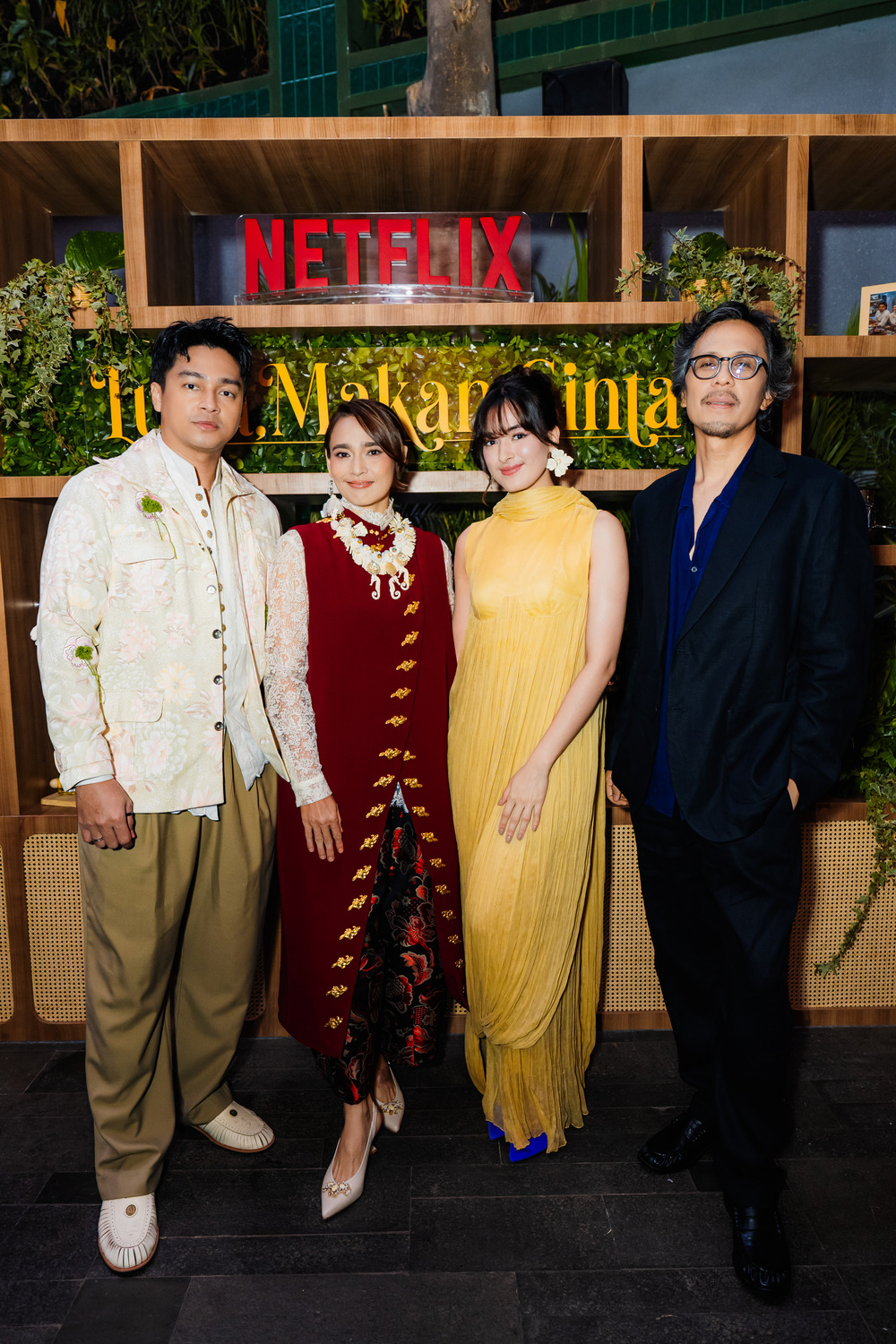

Amid the hustle of a busy kitchen and the irresistible aroma of food, comes a story about ambition, love, and human relationships that are not always easy to understand. The latest series from Netflix, Luka, Makan, Cinta, is more than just a culinary show—it’s an emotional journey wrapped in the rich flavors of Indonesian cuisine.
Launched on April 15, 2026, in Jakarta, the series is directed by Teddy Soeria Atmadja, who skillfully blends family drama with the world of professional cooking. Originally conceived as a film, the story evolved into an eight-episode series, allowing for deeper exploration of its characters and conflicts.
Love Hidden Behind the Kitchen
The story centers on Luka, an ambitious young sous chef played by Mawar Eva de Jongh. She dreams of becoming the head chef at the legendary restaurant Umah Rasa—a place that also holds deep emotional significance as her mother’s lifelong dedication. However, instead of entrusting Luka with the role, her mother Sari appoints a new chef named Dennis.
This conflict becomes the heart of the story: a mother-daughter relationship that feels close, yet is filled with unspoken distance. Sha Ine Febriyanti, who plays Sari, portrays a strict, demanding mother who expresses love in ways that are not always easy to see.
Interestingly, Mawar once compared Luka’s relationship with her mother to galangal in rendang—often set aside when eating, yet essential in creating its rich flavor. A simple metaphor that beautifully captures the complexity of their bond.
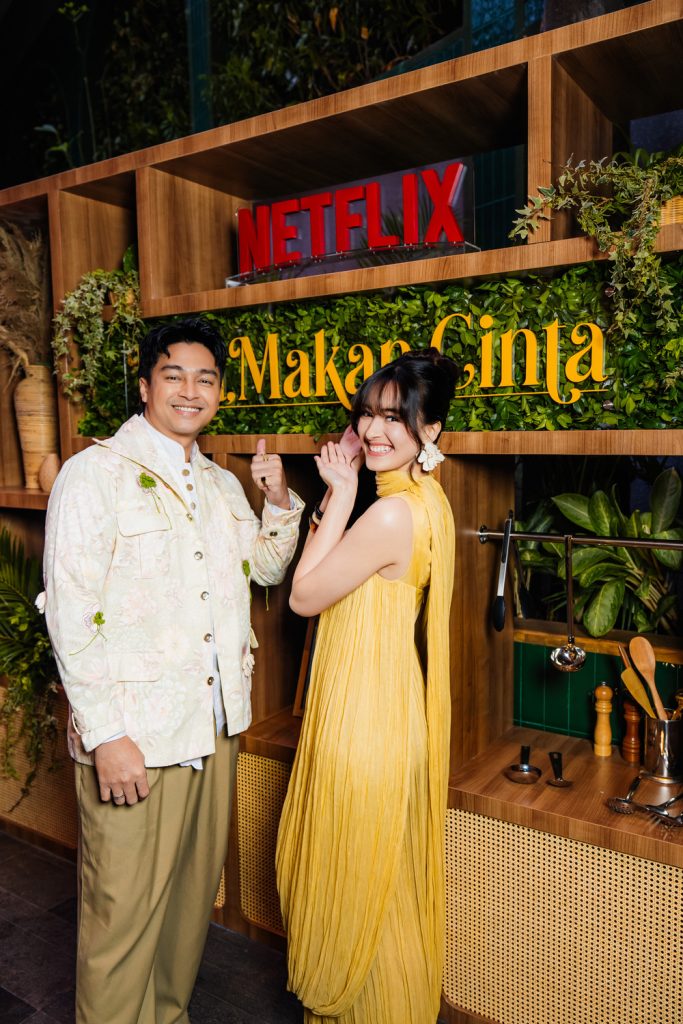
photoby : netflix
Rivalry That Shapes Growth
The arrival of Dennis, played by Deva Mahenra, adds another layer of tension. As an experienced chef with ambitions of earning the highest culinary recognition, his presence is seen as a threat by Luka. Yet, from this rivalry emerges growth—both for the characters and for Umah Rasa itself.
With additional performances by Adipati Dolken and Asmara Abigail, the series becomes even richer, offering multiple perspectives on love, ambition, and competition.
Dedication Behind the Scenes
Beyond its compelling story, the series stands out for its production commitment. The cast underwent intensive cooking workshops to ensure authenticity in every kitchen scene. From mastering cooking techniques to adapting to the fast-paced rhythm of a professional kitchen, their preparation was thorough.
Collaboration with food stylists and food designers also played a key role. The dishes presented are not just meals, but visually artistic creations that still stay true to their Indonesian home-cooking roots.
The result is an immersive viewing experience—where audiences don’t just watch the story unfold, but can almost “taste” every dish presented on screen.
More Than Just a Culinary Story
In the end, Luka, Makan, Cinta is not only about food or the pursuit of becoming a top chef. It is a reflection on human relationships—between parent and child, rivals and partners—and how love often appears in imperfect forms.
With strong emotional depth, mouthwatering visuals, and a relatable story, the series delivers a complete experience. A reminder that behind every dish, there is always a story—of wounds, of struggle, and of love.



Leave a Reply